
Dream Destinations for a Milestone Birthday

luxury 40th birthday

Turning 40, 50—or any milestone year—is the perfect reason to plan a trip that feels unforgettable. Recently, travelers swapped ideas online about how they celebrated their big birthdays, and the thread became a showcase of once-in-a-lifetime experiences across the globe. From yachts in France to volcano-view hot springs in Costa Rica, the theme was clear: go somewhere spectacular and make it count.

European Glamour and Open-Road Thrills

One traveler described spending their 40th in Cap d’Ail, a small seaside town just outside Monaco. They drove a Ferrari up the Grand Corniche, overlooking the Mediterranean—an adventure that “didn’t break the bank and was truly unforgettable.” Nearby, the famed Eden Rock in Antibes drew its own praise as a favorite retreat of celebrities and royals alike.

It’s a reminder that luxury doesn’t have to mean excess. With a smart itinerary and a bit of planning, you can mix elegance with exploration. (For more inspiration on creating your own milestone trip, check out The Birthday Boat Trip I’d Relive Forever—and How You Can Too.)

Adventure Circuits Across Asia

Others looked east for variety and value. Several travelers recommended a Thailand–Malaysia–Singapore combo trip: beaches, world-class food, city culture, and tropical wilderness all in one journey. Another swore by the Datai Langkawi and Koh Samui—luxury resorts balanced with laid-back island life.

Meanwhile, Sri Lanka was praised for its blend of safari, seaside, and spa in a single itinerary, and Japan earned attention for its rail-linked cultural routes and mountain resorts.

Nature, Wellness, and Wonder

Iceland appeared repeatedly on wish lists—volcanic baths, waterfalls, northern lights, and boutique lodges under the stars. Costa Rica’s mix of rainforests, volcanoes, and beaches also inspired travelers seeking wildlife and relaxation in equal measure.

For those drawn to wide horizons, Namibia, Morocco, and East Africa offered unforgettable safaris and desert camps; others dreamed of the Himalayas or remote surf retreats in Costa Rica.

Luxury on the Water

Yachting and catamaran charters came up again and again—especially for couples or groups celebrating together. One traveler said, “We did a week on a yacht in France for my 40th this summer—it was the best vacation ever.”

That’s the kind of story we love at Ventana Travel: gathering friends, setting sail, and living your milestone moment surrounded by blue water and good company. Whether it’s a luxury catamaran in the Sea of Cortez or a week of island-hopping off Baja, these experiences redefine what a birthday celebration can be.

Your Turn

The common thread among all these journeys isn’t a specific country—it’s intention. Each traveler built a trip around joy, curiosity, and connection. So whether you’re dreaming of a European coastal drive, a desert camp in Morocco, or a catamaran anchored under Baja’s sunrise, make your next milestone one you’ll truly remember.

One-Bag Travel: The Freedom of Packing Light

one bag life ventana travel solo travel

At some point, every traveler hits that moment of truth — standing at the luggage carousel, waiting for a suitcase that may or may not have made it. It’s usually around that time you realize: there has to be a better way.

That’s where the one-bag travel philosophy comes in. The idea is simple: everything you need fits into one carry-on-sized bag. No checked baggage. No extra roller. Just one pack you can sling over your shoulder and keep with you every step of the journey.


Why One Bag Is Enough

One-bag travelers know that simplicity is power. Carrying less means you move faster, stress less, and spend more time enjoying your trip. With smart packing cubes, a compact toiletry setup, and versatile clothing, a single 20–40 L backpack can easily handle weeks on the road.

One traveler put it best: “I spent multiple weeks out with just a 20 L pack — it felt amazing to move freely and realize how little I actually needed.”

That sense of accomplishment — knowing you’ve packed efficiently and left behind everything unnecessary — is addictive.


Choosing the Right Backpack

The travel community’s favorites keep coming up again and again:

  • Osprey Fairview 40 L – a balanced, female-fit version of the iconic Farpoint, perfectly sized for overhead bins.

  • Osprey Daylite 26 + 6 – ideal for minimalists or short trips.

  • TNF Basecamp Voyager 32 – great organization and carry-on compliance.

  • ULA Dragonfly 30 L – lightweight, smart pocketing, fits under most airline seats.

  • CabinZero 28 L – ultralight and budget-friendly.

If you’re in the U.S., you can try many of these at REI; in Canada, Mountain Equipment Co-op (MEC) carries Osprey, The North Face, and its own affordable in-house models.

For more detailed comparisons, check out our community’s One-Bag Gear Guide — a growing collection of pack reviews and real-world traveler experiences.


When to Add a Second Bag

Sometimes life happens — destination weddings, business meetings, or events that demand extra outfits. There’s no shame in bringing more when you need it, but those moments remind most travelers how freeing it is to keep things simple. As one Redditor put it, “Packing a roller for two weddings made me feel like a normie again — I hated it.”


Tips for Success

  • Plan for laundry instead of packing duplicates.

  • Use compression cubes to shrink and organize clothes.

  • Know your airline limits (some international carriers have strict 7 kg caps).

  • Pack multi-use gear: quick-dry shirts, convertible pants, lightweight layers.


Travel Light, Live More

Packing light isn’t just about weight — it’s a mindset. It’s about freedom, not luggage. Every item you leave behind is one less thing to worry about, and one more reason to enjoy your trip.

So next time you’re planning your getaway — whether it’s a Baja dive week, an island-hopping catamaran charter, or a quick coastal escape — consider taking just one bag. You might find it’s all you ever needed.


Ready to plan your next adventure? Visit VentanaTravel.com for ocean-to-island experiences across Baja California Sur — and explore more smart-packing stories at blog.ventanatravel.com/tag/picking-right-travel-one-bag/.

The Smart Traveler’s Guide to Water on the Road

ventana travel hydration on the go liquid iv

When you’re flying out for your next adventure, you can absolutely carry an empty reusable water bottle onto the plane. Fill it up once you’re past security and stay hydrated without wasting money or plastic.

But what about when you land — especially if you’re headed somewhere remote, like the mountains of Baja or the jungle trails of Central America? It’s easy to assume bottled water will always be available, but depending on where you’re going, that’s not always the case.

At Ventana Travel, we’ve explored nearly every corner of Mexico, from island dives to desert hikes, and we’ve learned one thing: hydration is everything. Here’s what our crew and community of travelers recommend for staying safely hydrated wherever you roam.


The SmartWater & Sawyer Combo

Many ultralight hikers swear by SmartWater bottles paired with a Sawyer Squeeze filter. This lightweight setup removes bacteria and parasites — perfect for refilling from streams or taps in rural areas. Just remember: these filters don’t remove viruses.

To cover all bases, carry chemical treatments or a UV purifier as a backup. A small Steripen or GRAYL Ultrapress bottle purifies water completely — killing viruses, bacteria, and parasites.


Real-World Travel Advice

If you’re hiking for a day, buy bottled water before leaving your base town.
For multi-day treks, go with a certified guide — they’ll provide potable water and know safe refill points.

For everyday travel, a simple system works wonders:

  • A collapsible water bottle for flights and airports

  • Rehydration salts or electrolyte powders (like Liquid I.V. from our shop) for long, hot days

  • A backup filter or purifier for unpredictable sources


Filters That Actually Work

Travelers we trust recommend:

  • GRAYL Geopress or Ultrapress – best all-in-one purifier

  • LifeStraw Go – great basic filter, but note: it does not remove viruses

  • Epic Water Filters – removes chemicals and heavy metals

  • Katadyn BeFree – compact, lightweight squeeze option

If you’re headed to places where tap water can cause trouble (hello, Central America), choose a full purifier over a filter. It’s a small investment for peace of mind — and it might just save your trip.


Hydration Is More Than Just Water

Don’t forget your electrolytes. Between long hikes, salt air, and tropical heat, even clean water isn’t enough to keep you energized. Pack electrolyte packets like Liquid I.V. or simple Nuun tablets — both fit easily in your carry-on and help prevent dehydration headaches and fatigue.


Final Travel Tips

Before you fly, browse ventanatravel.com for more Baja travel ideas, gear recommendations, and real-world adventure stories from our guides. And when you pack, remember:

✅ Bring an empty bottle through airport security
✅ Refill and stay hydrated before your flight
✅ Always filter or purify when in doubt
✅ Keep electrolytes handy — your body will thank you

Because whether you’re diving in La Ventana, hiking in the Sierra, or exploring the Revillagigedo Islands, water isn’t just hydration — it’s fuel for your next adventure.

Planning Your Sea of Cortez Week: Conditions, Wildlife & What to Pack

packing for a catamaran trip ventana travel

Thinking about a week on a private catamaran—eFoiling at sunrise, snorkeling with sea lions, and anchoring in quiet turquoise coves? This guide covers what you need to know about seasons, visibility, wind/sea state, wildlife windows, and packing so you can plan a smooth, unforgettable charter in Baja California Sur.

Ready to see dates and pricing? Explore our Luxury One-Week Catamaran Charter — Sea of Cortez here: ventanatravel.com/luxury-one-week-catamaran-charter-sea-of-cortez-baja-california-sur.
Learn more about us at ventanatravel.com.


Quick Look by Season

Season Surface Temp (approx.) Typical Visibility Wind & Sea State Wildlife Highlights
Nov–Apr (Cool & Clear) 66–75°F (19–24°C) 40–80 ft (12–24 m) in stable spells North winds (“Nortes”) can blow; many calm windows; cooler water Whale sharks (La Paz), humpbacks (offshore), sea lions (year-round)
May–Jun (Warming & Stable) 72–82°F (22–28°C) 30–70 ft (9–21 m) Generally mellow; AM glass; light PM breeze Mobula (manta) aggregations, sea turtles, reef life
Jul–Oct (Warmest Water) 80–88°F (27–31°C) 30–80 ft (9–24 m) when stable Calmer seas overall; occasional tropical moisture Peak snorkeling comfort, pelagics in blue water, bioluminescence nights

Conditions vary by week. Your captain will shape the route and daily plan around the best windows.


Wind & Sea Patterns (What This Means for Your Days)

  • Mornings are typically calm → ideal for eFoiling, paddle laps, and easy snorkel starts.

  • Afternoons bring a predictable seabreeze → great for scenic sails, swims in protected bays, and beach time.

  • Winter “Nortes” (Nov–Mar) can kick up short-period chop; we tuck into lee anchorages and time crossings smartly.

  • Summer (Jul–Oct) generally has warmer water and longer calm spells; occasional tropical moisture dictates conservative routing.

  • Around La Paz, nighttime Coromuel breezes (late spring–summer) can cool things down; we choose anchorages accordingly.


Water Temps & Visibility

  • La Paz / Espíritu Santo area: Winter lows in the upper 60s°F; clear days can deliver excellent viz on reefs and in caves.

  • Late spring through early fall: Water warms quickly (low-80s°F common), visibility improves after bloom cycles stabilize.

  • Thermoclines are normal; a thin neoprene top or shorty adds comfort even in summer if you run cool.


Wildlife Calendar (Typical Windows)

  • Sea lions: Year-round; playful colonies make for iconic snorkel sessions.

  • Whale sharks (La Paz): Roughly late Oct–April (permit-regulated).

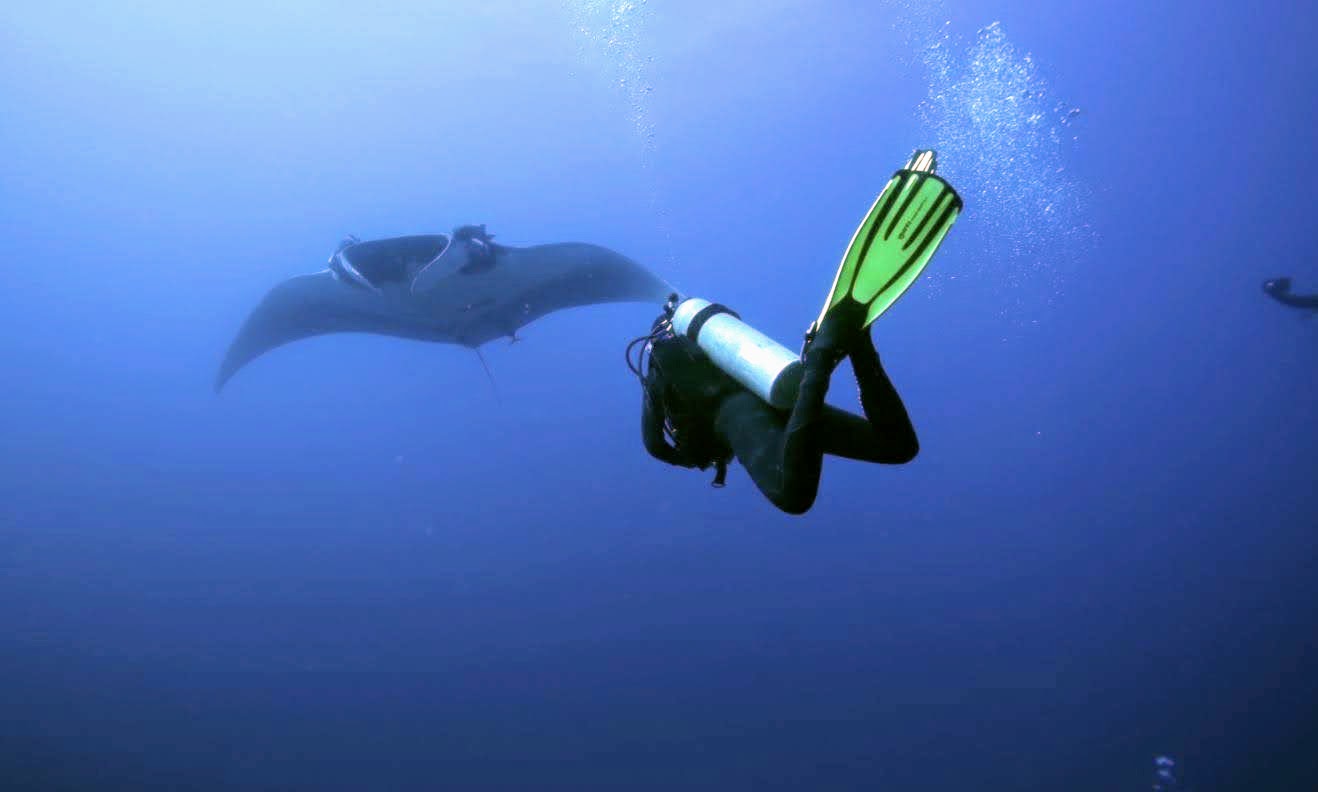
  • Mobula (manta) rays: Often April–July and Oct–Nov; epic schooling behavior.

  • Humpbacks: Winter–early spring offshore; acoustic treats on quiet nights.

  • Bioluminescence: Most noticeable on dark, calm summer nights.

  • Turtles, reef life: Year-round with frequent sightings.

Wildlife is wild—no guarantees, but timing and local knowledge help a lot.


Favorite Secluded Anchorages (South of Loreto to La Paz)

  • Isla Espíritu Santo / Partida: Cathedral-like cliffs, sea caves, luminous shallows, protected coves for night swims.

  • Isla San Francisco: Crescent-shaped bay with hiking ridges and glassy shallows—postcard snorkeling.

  • San Evaristo: Quiet village vibe, mangrove pockets, excellent beach picnics.

  • Isla Cerralvo (Jacques Cousteau): Blue-water edges for pelagics; choose coves for wind protection.

  • Balandra (day stop): Legendary sandbars and color; we time our visits to avoid crowds and protect the ecosystem.

Your exact route will depend on wind, swell, and your group’s priorities (eFoil sessions, scuba, snorkel, beach time).


eFoil, Snorkel & Scuba — Best Practices

  • eFoil: Max fun at sunrise in protected water; we rotate batteries and riders to keep the stoke high. Give wildlife and swimmers space; observe local speed/etiquette.

  • Snorkel: Gentle entries off the stern or from the dinghy; we target coves with current breaks and kelp/rock structure for fish life.

  • Scuba: From reef ledges to sea lion hotspots; certified divers only (or ask us about discovery dives with trusted partners). We plan dives around currents and visibility windows.


What to Pack (Charter-Smart List)

Water & Sun

  • Reef-safe sunscreen, lip balm SPF

  • Rashguard or 2–3mm shorty (winter: consider 3–5mm full)

  • Polarized sunglasses + retainer, wide-brim hat

  • Refillable water bottle

Activity Gear

  • eFoil accessories if you have preferences (we supply the essentials)

  • Snorkel mask that fits your face (boat has full sets; your own always seals best)

  • Dive computer & log (certified divers), C-card

  • Action camera, spare batteries, dry bag

Boat Life

  • Soft-sided duffel (no hard suitcases), light sweater for evenings

  • Sandals + reef-safe water shoes

  • Motion tabs/ginger (if you’re sensitive), personal meds

  • Minimalist outfits—swim/live, rinse/repeat

We take care of the big items—vessel, crew, chef, safety, gear staging, and logistics—so you can travel light.


Sample 7-Day Flow

Day 1 — La Paz → Espíritu Santo
Boarding, safety brief, first snorkel, sunset eFoil laps, chef dinner on deck.

Day 2 — Sea Lion Colony & Caves
AM eFoil in glass; sea lion snorkel; beach picnic; stars from the bow nets.

Day 3 — Reefs & Blue Bays
Optional scuba; lazy paddle; cliff hike; bioluminescent night swim if conditions line up.

Day 4 — Hidden Coves
Battery-swap eFoil sessions; sandbar hangs; ceviche class.

Day 5 — Island Hop
Turtle spotting; sand-spit swims; golden-hour dinghy cruise.

Day 6 — Free-Play Day
Pick your mix: more dives, more foil, or hammock and a book.

Day 7 — Return to La Paz
Morning swim, brunch underway, photos and hugs.


Booking & Next Steps

We’ll tailor the route to the week’s weather—and to your group’s vibe. See you on the bow at sunrise.

Baja Sur Summer Ocean Guide for Divers & Snorkelers

world record scuba dive

Summer water over reefs in Baja California Sur

Conditions Guide

Water conditions in Baja California Sur (May–August)

A diver & snorkeler’s guide to temps, visibility, wind/sea state, wildlife highlights, and what to pack for a smooth summer ocean week.

Quick look by month

Month Surface temp* Typical visibility Wind & sea state Notes
May 72–77°F (22–25°C) 30–60 ft (9–18 m), can drop with blooms Calm AM; light PM seabreeze Start of warm-up; occasional plankton bloom & light thermoclines
June 75–82°F (24–28°C) 25–60 ft (8–18 m) Generally mellow; occasional chop Stable warming; great for mixed snorkel/dive groups
July 80–86°F (27–30°C) 30–80 ft (9–24 m) when stable Calm to light breeze; tropical moisture possible Warm, comfy water; viz often improves between wind pulses
August 82–88°F (28–31°C) 30–80 ft (9–24 m), variable with storms Calm AM; watch tropical systems Peak warmth; keep plans flexible around stormy weeks

*At depth, thermoclines can sit 5–15°F (3–8°C) cooler—pack a thin hooded vest if you chill easily.

Temperature & suits

Trend: A steady warm-up from late spring. By July/August most guests are comfy in a 2–3 mm shorty or full, and many snorkel in just a rashguard.

Thermoclines: Expect cooler layers on some reefs and island drop-offs. If you run cold, pack a 3/2 mm full plus a 1–2 mm hooded vest—tiny layer, big comfort.

Visibility & bloom cycles

Early summer can bring plankton blooms that tint the water green and trim viz. The tradeoff: more life in the water (bait, jellies, turtles feeding).

As seas stabilize mid-summer, visibility often opens back up, especially after a string of quiet, low-wind days. Heavy wind or passing storms can temporarily reduce viz near beaches—captains choose clearer lee sides and island points.

Wind, seas & storm season

Winter Nortes are gone; summer favors glassy mornings and a light afternoon sea breeze.

Tropical season spans late spring–fall, with August–September most active. Most weeks are unaffected, but flexible itineraries shine—protected coves, reefy lee shores, and snorkel options keep the stoke high when seas kick up.

Pro tip: Go early. Morning glass-offs are gold for both viz and photos.

Marine-life highlights (May–August)

  • Sea lions at island rookeries—playful, great for mixed-ability groups.
  • Mobula rays often show in late spring/early summer; keep an eye out during crossings.
  • Reef regulars: pargo, cabrilla, eels, turtles, schooling jacks, healthy reef fish on structure and walls.
  • Whale sharks: generally off-season for La Paz (peak is fall–winter). Bonus if they appear.

Always respect marine-park rules and permit zones—your captain will brief the day’s plan.

What to pack

  • Wetsuit: 2–3 mm (plus thin hooded vest if you chill easily)
  • Sun: long-sleeve rashguard, wide-brim hat, reef-safe sunscreen, lip block
  • Eyes: polarized sunglasses
  • Boat kit: dry bag, light windbreaker, water bottle, snacks
  • Comfort: seasickness tabs if you’re new to pangas/catamarans
  • Nice to have: spare mask & defog

Sample 4-day summer flow (La Ventana base)

  1. Day 1: Arrival, casita check-in, afternoon snorkel cove + sunset dinner on site.
  2. Day 2: Two-tank island reefs; sea-lion snorkel add-on if conditions look playful.
  3. Day 3: Wall/point dive with thermocline hunt; relaxed beach lunch; optional night snorkel.
  4. Day 4: Calm-water snorkel morning or boat play for non-divers; airport transfer.